

Made in Britain: At what cost?
Date published:
The Chamber’s latest column by Josh Maratty, policy adviser at the Chamber.
The North East of England was once the shipbuilding capital of the world. That legacy lives on in those called Mackems, a name rooted in the pride of Sunderland’s workers who “mack’em”, while the world “tack’em”. Ships built here carried the world’s trade. The craftsmanship was ours. The ambition was ours.
That spirit of making things didn’t leave with the ships.
Today, Nissan’s plant in Washington directly employs approximately 6,000 people, with up to 30,000 more sustained through its wider supply chain, proof that the North East can still compete on a global stage. But competing globally requires the right conditions. Right now, those conditions are being undermined by a stubborn problem – the cost of energy.
The United Kingdom has the highest industrial energy prices in Europe. For energy-intensive manufacturers, this is the difference between viability and closure.
The root cause is dependency. Decades of reliance on imported natural gas have left Britain uniquely exposed to global market volatility, which has been highlighted by recent world events. We cannot anchor our industrial future to a fuel we don’t control, at a price we cannot predict.
So, what’s the answer? Drilling the remaining North Sea reserves buys time, not security; relief drawn from a resource that will not last. Nuclear offers something more durable and the proposed nuclear power station Sizewell C deserves its place in the conversation, but it is slow to build and expensive to deliver. Neither meets the scale of the moment.
The more compelling path is the full development of clean energy infrastructure. The North East Combined Authority has already set an ambitious target of creating 25,000 green jobs in the region and doubling that to 50,000 by 2035.
The missing piece is hydrogen. Renewables alone face one persistent criticism: intermittency. The wind doesn’t always blow. The sun doesn’t always shine. Hydrogen solves this in a way no other technology can, offering storage at scale, banking surplus clean energy and deploying it when the grid needs it most. It doesn’t replace renewables, it completes them. For the North East, with its coastal geography and industrial heritage, hydrogen is a natural next chapter.
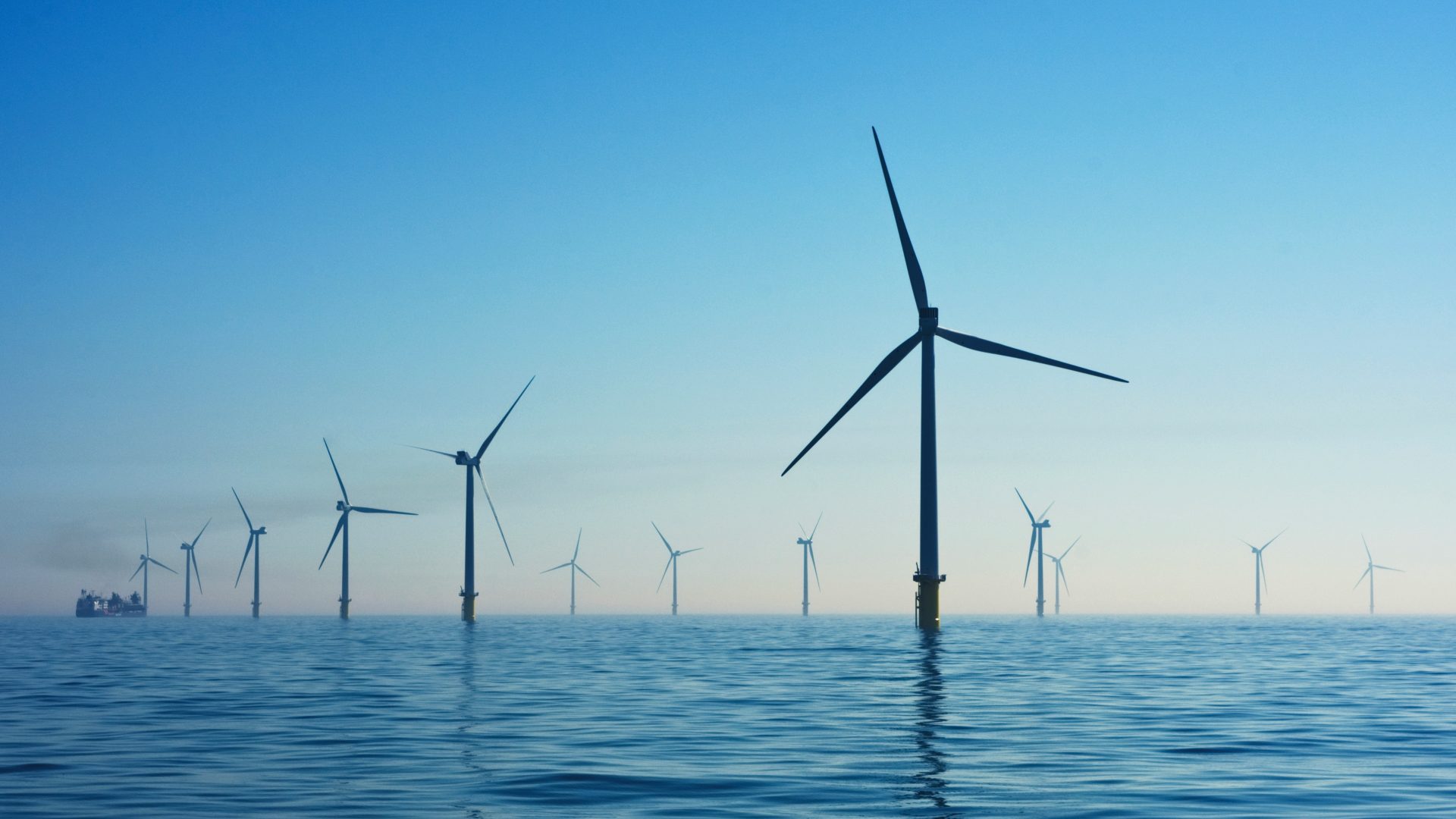
But ambition means nothing if energy remains unaffordable. Two reforms are needed now. First, electricity pricing must change. Businesses sitting beneath offshore wind turbines should not be paying more than competitors in Germany or France. The clean energy generated here must benefit the communities that surround it. Second, grid access must be fixed. Too many manufacturers face connection queues measured in years. That delay is the reason companies choose to invest elsewhere.
The goal cannot be simply to maintain what we have. The North East once built the ships that carried the world’s trade. The green industrial revolution demands the same will to lead, self-sufficiency over dependency and investment over hesitation. British energy powering British ambition.
The shipyards are gone. What they stood for is not.