

Some cause for optimism? The British Chambers of Commerce Economic Forecast and the North East
Date published:
Last year’s final economic forecast from the British Chambers of Commerce (BCC) reflected the challenging economic situation faced by many businesses in our region at the end of 2022. At the time, organisations were adjusting to the consequences of both the previous Chancellor Kwasi Kwarteng’s mini budget, the subsequent market upheaval, and then new Chancellor Jeremy Hunt’s autumn statement. As we prepare for the spring budget later this week, the release of the BCC’s first forecast for 2023 provides a welcome opportunity to reflect on the relatively stable environment that businesses have experienced in the first part of this year. Significant economic challenges remain, although declining wholesale energy prices, steadying inflation and more consistent economic policy means that more businesses have the headroom to effectively plan around these longer term problems. This isn’t of course to understate the difficulties still faced by many organisations in the North East, but a number of indicators in the forecast should help to ease some of the low business confidence which characterised our most recent quarterly economic survey.
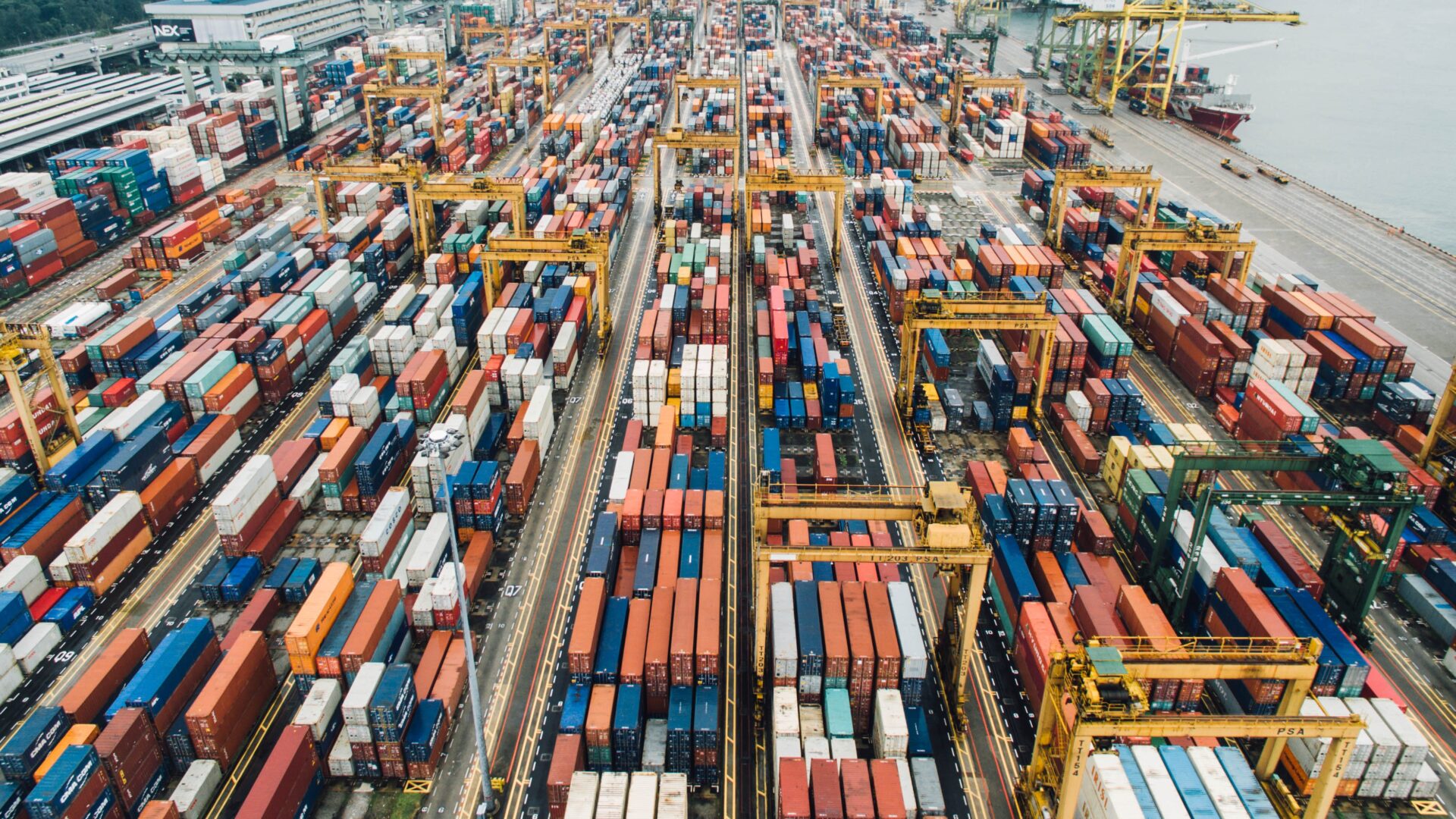
A particular success for our region is the stronger than expected export performance in the second half of last year. Imports and exports are worth nearly £27 billion to the North East, so improving international trading conditions will be beneficial to our local economy. The new Windsor Framework should further enable internationally trading businesses to make the most of global markets. Generally, economic performance towards the end of 2022 was also stronger than expected leading to the revised growth forecasts for this year. These updated forecasts are now more optimistic than previous estimates from the BCC themselves, but also the Bank of England and the OBR. Inflation is also likely to slow considerably and in Q4 2023 it is expected to drop to 5%, in contrast to its peak of 11.1% in October 2022. It is ultimately expected to drop below the Bank of England’s target to 1.5% in Q4 2024, before rising again slightly thereafter. Given that inflation registered as our region’s businesses top concern last quarter, this will provide some welcome respite for some of the organisations still reeling from the combined challenges of the past few years. The economy should now avoid a technical recession, and while the overall economy is still expected to shrink by 0.3% this significantly smaller than anticipated economic retraction in part exemplifies our business community’s resilience in the face of global, national, and indeed regional challenges.
While contextualising this forecast within the background of the past year does provide some hope for relative future business health, there are still significant challenges to consider. Despite the smaller than expected economic contraction, the UK economy is now not expected to recover to its pre-pandemic size until Q4 2024. Furthermore, while business confidence has stabilised, this is at a lower than historic levels leading to a predicted flattening of investment. This reduced investment will, among a variety of other factors, have implications in exports which despite stronger than anticipated performance at the end of last year are expected to decline by 4.5% across 2023. A core component of this is likely to be the lack of improvements in international trading conditions reported by smaller companies. Exports are the backbone of the North East economy, and we as your Chamber have encouraged the government to unlock growth in the budget by helping SMEs to expand into global trade and reduce the barriers for organisations who already trade internationally. On a more local level, some of the stronger than expected economic performance can be attributed to household spending, which has held up well despite falling real disposable incomes. As households continue to feel the effects of inflation it will be important to monitor the impact on businesses, particularly in the service sector, who are particularly vulnerable to declining consumer spending but play a vital role in local communities.
We find ourselves at an economic inflection point, and as the economy begins to stabilise and recover, it is vital that the government creates an environment in which businesses can continue to thrive. Businesses have a key role to play in reducing inequality spreading wealth throughout the country, and we will be watching Chancellor Hunt’s budget closely on Wednesday to bring you the most important information as it comes in. In anticipation of any announcements, our key budget asks which we made of the government on behalf of North East businesses are available here.
As ever, on budget day keep up to date with our socials and look out for an on the day briefing prepared by our policy team.
Photo by CHUTTERSNAP on Unsplash